AI-Built Fake Shops Are Everywhere in 2026 — Here's How to Spot Them
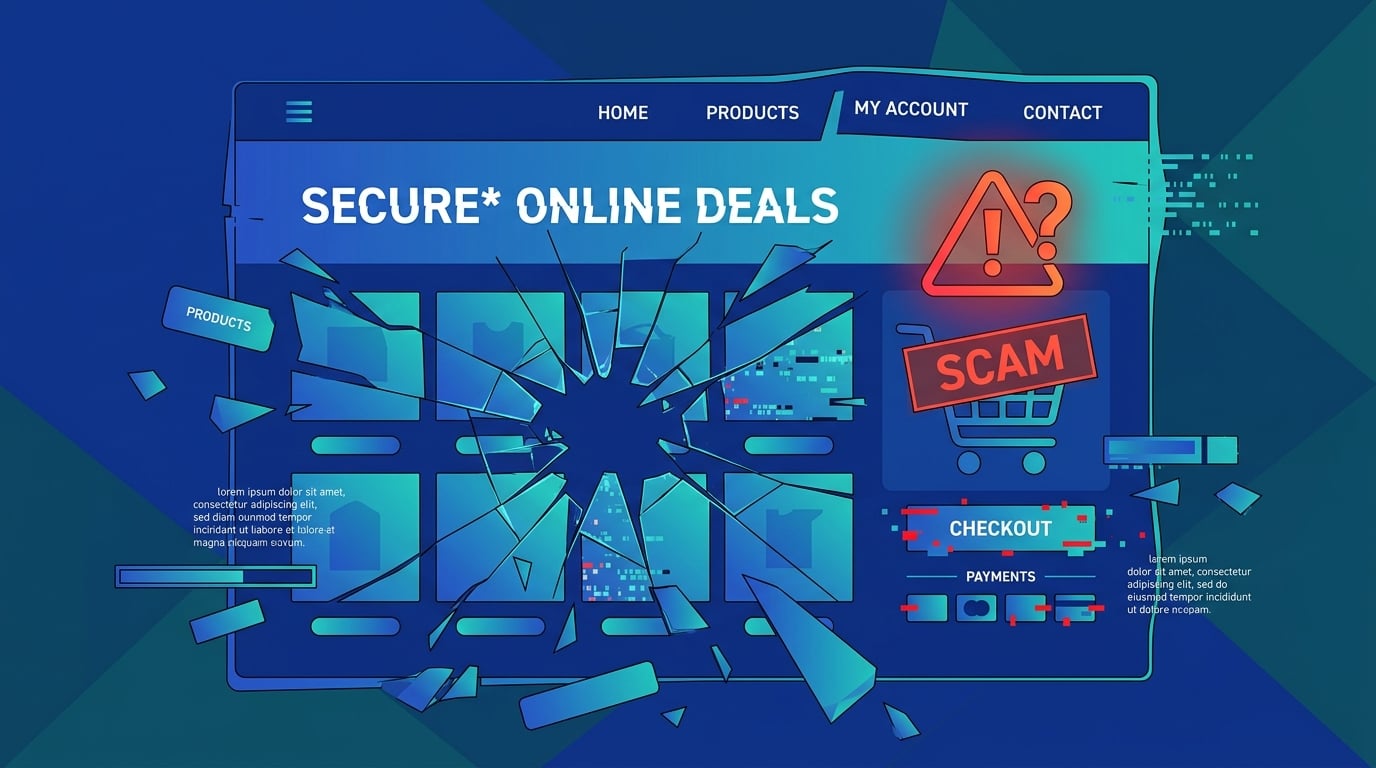
Online shopping has never been more convenient — or more dangerous. In 2026, scammers are using generative AI to build convincing fake storefronts at industrial scale. Researchers have uncovered networks of over 20,000 to 75,000 fake domains sharing the same backend infrastructure, payment processors, and templates. They appear overnight, harvest your money and card details, then vanish or rebrand before anyone can act.
The threat has moved well beyond the obvious "too-good-to-be-true" discount site. Today's fake shops look polished, have fake reviews, functional checkout pages, and even customer service chatbots. And increasingly, they reach you through the platforms you trust most: TikTok, Instagram, and Facebook.
How AI Has Changed the Fake Shop Game
Until recently, building a convincing fake webshop took time and skill. Now, generative AI can produce a professional-looking storefront — complete with product photos, descriptions, and a brand story — in under an hour. Scammers use this to:
One 2026 investigation found approximately 70 million "sketchy" product listings on TikTok Shop alone, many created using AI to deceive buyers into paying for goods that never arrive.
The Social Commerce Trap
Social commerce — where you discover, evaluate, and buy a product without ever leaving an app — has become a prime hunting ground for fraudsters. Here's why:
TikTok Shop Scams
Scammers exploit TikTok's algorithm by running hours-long livestreams selling counterfeit or non-existent products. By the time automated moderation flags the content, thousands of purchases have already been made. A May 2026 raid by the City of London Police seized over 26,000 counterfeit items linked to TikTok influencer livestreams.
Instagram and Facebook Ad Fraud
Fraudsters clone the look of TikTok Shop or Instagram's native storefront to create external sites that feel "official." They run paid ads featuring deepfake celebrity endorsements — AI-generated videos of famous people recommending products they've never heard of. The FTC reported that social media scams cost Americans $2.1 billion in 2025, with shopping fraud among the top categories.
The ".shop" Domain Trick
The `.shop` top-level domain has become a favourite for scammers because it's cheap to register and sounds legitimate. Combined with typosquatting (subtle misspellings of real brand names), these domains fool even careful shoppers.
Red Flags to Watch For
Before you click "Buy Now," check for these warning signs:
Quick test: Search the store name + "scam" or "review" on Google before buying. If nothing comes up, that's also a red flag — legitimate shops have a traceable history.
What to Do If You've Been Caught
If you've already paid a fake shop:
1. Contact your bank or card provider immediately — credit card purchases have the strongest dispute rights; request a chargeback
2. Report the site to your national consumer authority (e.g., ACM in the Netherlands, FTC in the US) and to the platform where you found the ad
3. Change any passwords you used on the site — fake shops often harvest login credentials
4. Monitor your bank statements for unexpected charges in the weeks that follow
How GuardScan Can Help
Before you hand over your card details to an unfamiliar shop, paste the URL or store name into GuardScan. GuardScan analyses the link against known fraud patterns, checks domain age and reputation signals, and flags suspicious characteristics — giving you a risk assessment in seconds. It adds a fast, reliable layer of protection before you commit to a purchase.
Stay Sharp This Shopping Season
AI has made fake shops faster to build and harder to spot. But the underlying tactics — urgency, impossible deals, and impersonation — haven't changed. Slow down, verify before you buy, and use tools like GuardScan to add an extra check.