Imagine a criminal who steals your child's Social Security number, pairs it with a fake name and address, and then spends the next two years quietly building a credit history — before vanishing with $50,000 in loans. No one notices until years later, when your child applies for their first credit card.
This is synthetic identity fraud, and in 2026 it has become the fastest-growing form of financial crime in the world.
What Is Synthetic Identity Fraud?
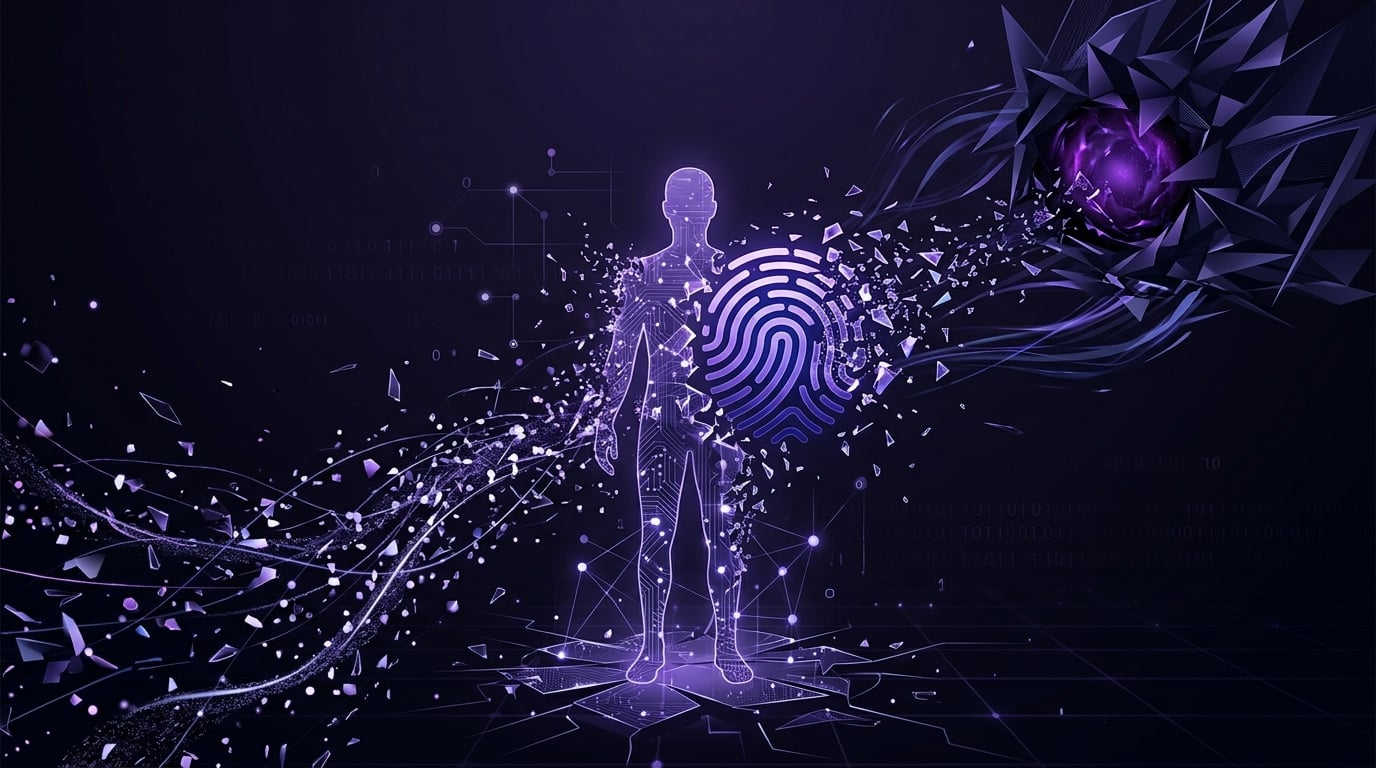
Unlike traditional identity theft — where a criminal steals and uses *your* existing identity — synthetic identity fraud involves creating an entirely new, fictitious person. Fraudsters combine real stolen data (like a Social Security number from a data breach) with fabricated details (a fake name, address, and date of birth) to build a "Frankenstein" identity that doesn't belong to any real individual.
Because no single real person is being impersonated, these fake identities are extraordinarily difficult to detect. Victims often don't know they've been targeted until years after the damage is done.
The Scale of the Problem in 2026
The numbers are staggering:
"Synthetic identity fraud is no longer a niche threat — it's an industrialized criminal enterprise powered by AI." — LexisNexis Risk Solutions, 2026
How the Scam Works: Step by Step
1. Data Harvesting
Fraudsters acquire real personal data — typically Social Security numbers — from data breaches, the dark web, or phishing attacks. They target people with "thin" credit files: children, the elderly, recent immigrants, or anyone who rarely checks their credit.
2. Building the Frankenstein Identity
Using generative AI, criminals construct a complete fake persona: a realistic profile photo, fabricated employment history, forged utility bills and pay stubs. In 2026, AI can produce fake documents that are nearly indistinguishable from real ones.
3. Establishing Credit
The synthetic identity is used to apply for credit cards or loans. Initial rejections are expected — but they create a credit file. Fraudsters may also use "credit piggybacking," adding the fake identity as an authorized user on a legitimate account to boost its credit score.
4. The "Bust-Out"
Once the synthetic identity has built sufficient creditworthiness over months or even years, the fraudster maxes out every available credit line — and disappears. Lenders are left with the losses. The real person whose SSN was used may not find out for years.
Why AI Has Made This Worse
Generative AI has transformed synthetic identity fraud from a slow, manual process into a scalable, automated industry. In 2026:
Who Is Most at Risk?
How to Protect Yourself and Your Family
Check your children's credit. If your child has a credit file before they're old enough to have applied for credit, that's a red flag. Contact the major credit bureaus to check.
Freeze your credit (and your children's). A credit freeze prevents new accounts from being opened in your name. It's free, reversible, and one of the most effective protections available.
Monitor for data breach notifications. If your data appears in a breach, act immediately — freeze credit, change passwords, and stay alert for unusual activity.
Scan suspicious messages. Phishing emails and texts are often the first step in harvesting the data used for synthetic fraud. Tools like GuardScan can instantly analyze suspicious messages and links to tell you whether they're safe — helping you avoid becoming a data source for fraudsters in the first place.
Review your credit reports regularly. In many countries, you're entitled to free annual credit reports. Check them for accounts you don't recognize.
The Bottom Line
Synthetic identity fraud is a slow-burn crime that can take years to surface — and by then, the damage is done. The best defense is a combination of proactive credit monitoring, data breach awareness, and vigilance against the phishing attacks that feed fraudsters the raw data they need.
Stay one step ahead. If a message, email, or link ever feels off, scan it with GuardScan before you click — because the data you protect today could be the identity that's never stolen tomorrow.